
















Subscription & Retention9 minute read
Subscription Churn Reduction: Engineering Fixes That Beat Discounts
Published Last updated
When subscription churn ticks up, the reflex is almost always the same: deepen the discount at the cancellation screen, hope a bigger number changes the subscriber's mind. It works on the margin and treats a symptom rather than a cause. Retention isn't purely a discounting problem, and it isn't purely an engineering problem either — it's three things done well together, with the engineering as the structural layer that makes the other three actually reach the subscriber.
The three things that actually drive retention
Keep the customer informed and educated toward finishing what they have. A subscriber who's shown how to actually use and get results from a product is a subscriber who finishes it before the next shipment arrives — and a subscriber whose replenishment lands on top of unused product is a subscriber who's building toward a cancellation, whether or not they've consciously registered it yet. Education isn't a nice-to-have onboarding email; it's a retention mechanism, because it's what prevents the single most common silent cause of churn: overstock nobody addressed.
Treat feedback as a two-way conversation. Check-ins and polls cost very little to run and signal something real: that someone is listening to quality feedback rather than just collecting a recurring payment. A subscriber who's been asked how something's going, and sees that feedback acted on, has a reason to stay that a discount can't replicate.
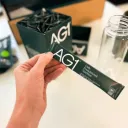
Give real perks for being a member, not just a discount for staying one. Early or exclusive access to new products before anyone else gets them, or genuine "behind the scenes" access a one-time buyer never sees — these make the subscription feel like membership in something, rather than a standing order a subscriber tolerates until they don't. AG1 and Thesis both extended this into something more substantial than either education or perks alone: Anatta built real Health Coach access into both subscriber experiences, turning "here's how to use the product" into an ongoing, personal relationship with support and accountability behind it. That's the three-point framework compounding — education, listening, and a perk substantial enough to actually matter — rather than any one piece carrying the whole retention story.
Most cancellations aren't "I don't want this anymore"
A meaningful share of subscription cancellations are subscribers who don't want to cancel the relationship, they want a break — too much inventory built up (the overstock problem above), a trip coming, a temporary budget squeeze. If skip and pause are buried three menus deep in an account settings page while "Cancel Subscription" sits one click from the login screen, the UI is quietly steering people toward the outcome the brand wants least. AG1's subscription management redesign put skip, pause, and frequency adjustment on a persistent dashboard control rather than a buried setting, on exactly this reasoning. If a move to Shopify Horizon is coming, check what Horizon changes for subscription portals before rebuilding these controls.
Intervention has to happen before the cancellation is final
A cancellation flow with zero intervention converts every moment of doubt into a lost subscriber. The alternative pattern — capture the reason first, then respond with a targeted alternative rather than a generic save offer — treats each cancellation reason differently: too much product suggests skip-next-order or reduce frequency, not a discount; cost sensitivity suggests a smaller size or longer interval, not necessarily a lower price. AG1's cancellation flow follows this shape: reason captured via a short prompt, then a specific alternative surfaced before the cancellation is confirmed.
The result: subscriber growth that's actually retention
AG1's subscription program grew subscriber count 63x during the Anatta partnership, with subscription growth of 1,400% and churn down 32%. The 32% churn reduction is the number that actually proves the retention argument: growth alone doesn't show whether a program is healthy. Churn coming down at the same time growth went up 63x is what makes this a genuine retention story, built on the three-point framework above with engineering underneath it, rather than a top-of-funnel one. The Bare Performance Nutrition success story is the same argument made against a different default: subscribers grew roughly 90% in under a year without auto-enrollment, through visibility, plain-language framing and loyalty integration rather than an opt-out checkbox.
Free, no call required
Losing customers you already paid for?
Get a free read of where your journeys leak, sized in dollars.
Discounting still has a role, just not the first one
None of this argues discounts never work — a well-timed offer at genuine risk of cancellation still saves some subscribers. The point is sequencing: education, listening, and real perks address most of what actually drives someone toward cancellation; structural alternatives (skip, pause, frequency change) address the rest of it for free. Reserve discount depth for subscribers who've already indicated the friction isn't about timing, quantity, or engagement — genuine price sensitivity or product fit — where none of the above will solve it.

How we approach churn work
The pattern holds across every subscription program we've worked on: build the three-point retention foundation first — education, two-way feedback, real perks — then audit where skip, pause, and frequency controls sit in the UI, then rebuild the cancellation flow itself. Discount depth is the last lever, not the first. This is one part of a broader practice — see subscription commerce at scale for the platform and migration decisions that come before it, and Subscription & Retention Experiences for how we scope retention work end to end.
Frequently Asked Questions
Does a bigger discount at cancellation actually reduce churn?
It saves some subscribers on the margin, but it doesn't address the more common causes — overstock from a subscriber who hasn't finished the last shipment, or a subscriber who never felt like the "member" they were sold on.
What's the single highest-leverage retention change most subscription programs are missing?
Real education toward actually finishing the product before the next one arrives. It's the least glamorous fix and the one that prevents the most common silent cause of cancellation: overstock.
Do subscription perks actually reduce churn, or is that just a nice-to-have?
Genuine ones do. Early access to new products or real "behind the scenes" access makes the subscription feel like membership rather than a standing order — AG1 and Thesis both went further, giving subscribers access to real Health Coaches.
Trying to bring churn down on your own subscription program? Talk to an architect about what the three-point framework would surface for your subscribers.
Free, no call required
Churn starts in the journey. Find where yours leaks.
We map your three highest-volume traffic channels end to end and size every leak in dollars. A written read, free, no call.
Related Reading
-
 Subscription & Retention
Subscription Commerce at Scale: Architecture, Migration and Retention
How enterprise brands run subscriptions on Shopify: platform choice, migrating without breaking cadence, engineering down churn, and build-your-own-box logic.
Nirav Sheth Chairman & CTO -
 Subscription & Retention
Build-Your-Own-Box Subscriptions on Shopify: Architecture
Customer-assembled, cycle-to-cycle subscription boxes are the hardest common subscription pattern to build. Here's the architecture — now increasingly AI-assisted.
Nirav Sheth Chairman & CTO - Explore the service
Services & Solutions
Subscription & Retention Experiences
Our team built the subscription engines that power the world's fastest-growing DTC brands, such as AG1, Thesis, & Good Ranchers.