















Conversion & Experience24 minute read
Ecommerce Personalization in 2026: 15 Tactics, Tools, and Examples
Published Last updated
Ecommerce personalization is the practice of using data about a shopper (what they browse, buy, search for, and tell you) to change what they see: the products, search results, offers, content, and messages on an online store and in the follow-ups after it. Done well, it makes a store feel like a place that knows the shopper. Done badly, it follows them around the internet with ads for something they already bought.
Remember the 1980s sitcom Cheers? Its theme song sang, “Sometimes you want to go where everybody knows your name.”
When customers aren’t just a number to a business, and are greeted by name, marketers can create lasting brand loyalty. That’s why Starbucks famously writes your name on your cup of coffee. It’s the Cheers effect.
The same logic holds for direct-to-consumer (DTC) brands. Ecommerce personalization is one of the most effective ways to give shoppers a positive experience and keep them coming back for years.
Through personalization, brands can also stand out from the competition and increase conversions. Whatever products a brand sells, personalization is a strategy every eCommerce brand can benefit from.
Here’s what you’ll find in this guide:
- What eCommerce personalization is, and how AI and shopping agents are changing it in 2026
- Ecommerce personalization examples from Shopify brands Anatta has worked with
- The benefits of personalization, with dated research on what helps shoppers and what puts them off
- 15 personalization tactics across pre-purchase, purchase, and post-purchase, with the best tools for each in 2026
- How to decide where to start, and what to look for in personalization software
- Answers to common questions about eCommerce personalization
Key Takeaways:
- Personalization exists to improve the customer’s experience, so start with what the customer actually wants.
- Hyper-personalization beats broad, inaccurate segmentation, but pushy, passive personalization can backfire.
- Break a personalization strategy into 3 phases: pre-purchase, purchase, and post-purchase.
- In 2026, personalization also has to work for AI assistants and shopping agents that read product data instead of banners.
- To personalize a DTC eCommerce experience, a brand needs tools to collect and analyze data, and to automate the response.
What is Personalization in eCommerce?
Ecommerce personalization uses data about a user to customize their online shopping experience. Typically, an eCommerce website that utilizes personalization will display dynamic content based on user data like demographics, past purchases, browsing behavior, preferences, and device usage.
When done well, personalization gives brands the opportunity to respond to changes in customer behavior and tailor content specifically for customer needs.
What is Hyper-Personalization in eCommerce?
Hyper-personalization tailors the experience to one shopper rather than a broad segment. Have you ever bought something online, like a toaster, and then been followed by toaster ads for weeks?

That’s bad personalization. The customer isn’t building a toaster collection.
In the past, personalization was built around user personas on a customer journey. Customers were segmented into groups based on easily accessible data points, but the results were often vague and ineffective.
Modern hyper-personalization strategy is built on the idea of a “segment-of-one.” According to a June 2024 Deloitte report, by combining data analytics with AI and automation, an eCommerce platform like Amazon can drive more than 35% of its conversions through its recommendation engine. That’s the effect of a hyper-personalized shopping experience for individual customers.
How is AI Changing eCommerce Personalization in 2026?
AI is changing eCommerce personalization in 2 ways: it makes on-site personalization (recommendations, search, and content) practical at the level of one shopper, and it adds a new kind of visitor, the AI assistant or shopping agent, that does some of the personalizing on the shopper’s behalf before they reach the store.
AI Product Recommendations and Search Personalization
Recommendation and search engines now use machine-learning models trained on a store’s own clickstream and order data to rank products for each shopper, and to answer natural-language queries such as “gift for a runner under $50” instead of matching keywords. The tools in tactics 3 and 4 below all work this way. The constraint has moved from the model to the data: personalization is only as good as the product data and first-party customer data behind it.
Agentic Shopping and Personalization
A growing share of shoppers now arrive through an AI assistant. Adobe reported that traffic to US retail sites from generative AI tools rose 693.4% year over year in the 2025 holiday season (November 1 to December 31), in its January 2026 holiday shopping report. Some purchases are now completed by an agent acting for the shopper. In December 2025, Shopify’s Winter ’26 Edition introduced Agentic Storefronts, which connect a Shopify catalog to AI platforms such as ChatGPT, Perplexity, and Microsoft Copilot; Anatta’s guide to Shopify Agentic Storefronts covers setup.
An agent isn’t influenced by a personalized hero banner. It reads structured product data, reviews, and policies, and decides whether a store is the answer. Personalizing for a human and being legible to a machine are now 2 halves of the same job. Agentic Delivery vs. agentic commerce draws the line between them, and generative engine optimization covers the machine-readable half.
Anatta’s guide to personalization when the visitor is an agent makes the longer version of that argument, and AI agents compared covers the tools.
Ecommerce Personalization Examples from Shopify Brands
The most useful eCommerce personalization examples come from stores like yours. Each brand below sells direct to consumers, and Anatta designed, built, or preserved the personalization feature described.
In each of these eCommerce personalization examples, the goal is the same: deliver a better customer experience to increase revenue and retention.
Trade Coffee: Personalization Through a Quiz-Driven Taste Profile
Trade Coffee built its subscription around a quiz-driven taste profile and an AI-powered recommendation engine that matches each subscriber to coffees from independent roasters, refining the match with every order. When Trade moved off a custom Solidus platform to Shopify Plus, Anatta kept that engine intact, rebuilt on Ordergroove, and Trade’s total cost of ownership fell 23% in Year 1.
Thesis: Personalization Through a Product Quiz
Since 2017, Thesis has built its brand on a custom Product Quiz that matches customers to nootropic formulas for their goals. Anatta migrated Thesis from a fragile headless build to Shopify with the quiz preserved throughout, and over 4 years of partnership Thesis’s DTC conversion rate rose 212%.
Grove Collaborative: Personalized Recommendations in the Cart
Grove Collaborative’s recommendation engine suggests complementary products based on each customer’s cart and order history. When Grove moved to Shopify, Anatta recreated that engine and built a cart that supports 7 distinct customer states, so subscribers see a different cart from first-time shoppers.
Nuts.com: Sequencing Personalization After a Replatform
Personalization has a performance cost. On Nuts.com’s previous composable stack, component-level personalization introduced flicker and real-time performance problems. Rather than ship a degraded experience, the Shopify Plus launch went live with a single homepage experience, and personalization was sequenced after launch.
Vuori: Personalized Pricing for Customer Segments
Vuori runs influencer programs, loyalty discounts, and member pricing for different customer segments. A custom discount management app Anatta built lets the team run segment- and event-specific programs across digital and in-store without engineering.
What are the Benefits of eCommerce Personalization?
The benefits of eCommerce personalization are higher engagement, higher conversion rates, more satisfied customers, and more loyal customers, as long as the personalization helps the shopper decide rather than pressuring them. Personalization makes sure the offers and products a customer sees are relevant to them, and it can have a big effect on the bottom line.
The caveat matters. In a June 2025 Gartner survey of 1,464 B2B buyers and consumers, customers who experienced personalization were 1.8x more likely to pay a premium, but personalized marketing created a negative experience for 53% of customers, who were 3.2x more likely to regret a purchase and 44% less likely to buy again. Gartner’s recommendation is “active” personalization: ask customers about their needs and help them decide, rather than pushing offers at them.

Customer satisfaction also builds customer loyalty. It’s cheaper to keep a customer than to win a new one, so increasing customer loyalty also helps the bottom line. Ecommerce personalization can benefit eCommerce brands of any size.
The benefits of eCommerce personalization include:
Personalization Improves Brand Engagement
Personalization increases brand engagement because it shows customers what they want to see, in a way that is relevant to them. Shoppers are more likely to engage with a brand when the experience feels made for them.
Personalization Raises Conversion Rates
Personalization raises conversion rates because it shows customers what they’re looking for. That relevance can become a competitive advantage and lead to higher eCommerce sales. With personalization strategies like product recommendations, retailers can highlight the products specific groups of customers are most likely to buy, which lifts conversion for items that may not be popular with every shopper.
Personalization Increases Customer Satisfaction
Personalization in eCommerce creates stronger customer relationships, which lead to higher overall customer satisfaction. Through personalization, a brand can cater to specific customer needs and make shopping easier and more enjoyable.
Personalization Creates More Loyal Customers
When customers have a shopping experience that feels personal to them, they’re more likely to come back to that brand instead of a competitor. And loyalty pays off: a repeat customer doesn’t have to be acquired again, so every reorder adds to customer lifetime value (LTV) without adding acquisition spend.
How Ecommerce Personalization Shapes User Experience
Ecommerce personalization is one of the main tools of user experience design, the process of designing a product or system so it gives its users a good experience from start to finish. Personalization aims to make that experience feel custom to each user.
Through personalization, eCommerce sites can:
- Remember customer preferences
- Show the products each customer wants to see
- Store payment information for quick checkout
- Tell customers about upcoming promotions they’re most likely to care about
Together, these tactics make the user experience smoother.
For more information on UX Design, check out this article on setting up a UX design process.
Free, no call required
Where does your store lose people?
Get a free, channel-by-channel read of every leak, sized in dollars.
Designing an eCommerce Personalization Strategy
An eCommerce personalization strategy starts with the funnel. Conduct UX research to see how each step of it can be improved with personalization.

Is there a customer experience gap that’s driving down your customer retention rates? Any eCommerce business can likely boost sales by providing a more personalized service. By tailoring online shopping experiences with data like your customer’s location, you can increase customer lifetime value and drive repeat purchases.
This guide breaks eCommerce personalization into 3 broad categories, with 15 tactics across them:
- Pre-purchase (tactics 1 and 2): ads, landing pages, and quizzes
- Purchase (tactics 3 to 10): search, product pages, offers, pricing, reviews, localization, and the customer account
- Post-purchase (tactics 11 to 15): loyalty, messaging, packaging, and customer service
Each tactic below comes with a table of the best tools for it in 2026.

1. Personalized Dynamic Landing Pages
The easiest way to personalize landing pages is by traffic source. Use information like the visitor’s location, the search terms or ad copy that brought them to the page, and even their device to show relevant content.
| Tool | Best for | Worth knowing |
|---|---|---|
| Shoplift | A/B testing Shopify theme templates and landing pages | Built for Shopify themes. |
| Optimizely | Enterprise experimentation and personalization | Anatta set up an Optimizely integration for Dollar Shave Club. |
| Dynamic Yield | Rules- and AI-based personalization across large catalogs | Test for flicker and page speed before launch. |
| Intelligems | Testing offers, prices, and content on Shopify | Also covers shipping-threshold tests. |
2. Personalize With Product Recommendation Quizzes
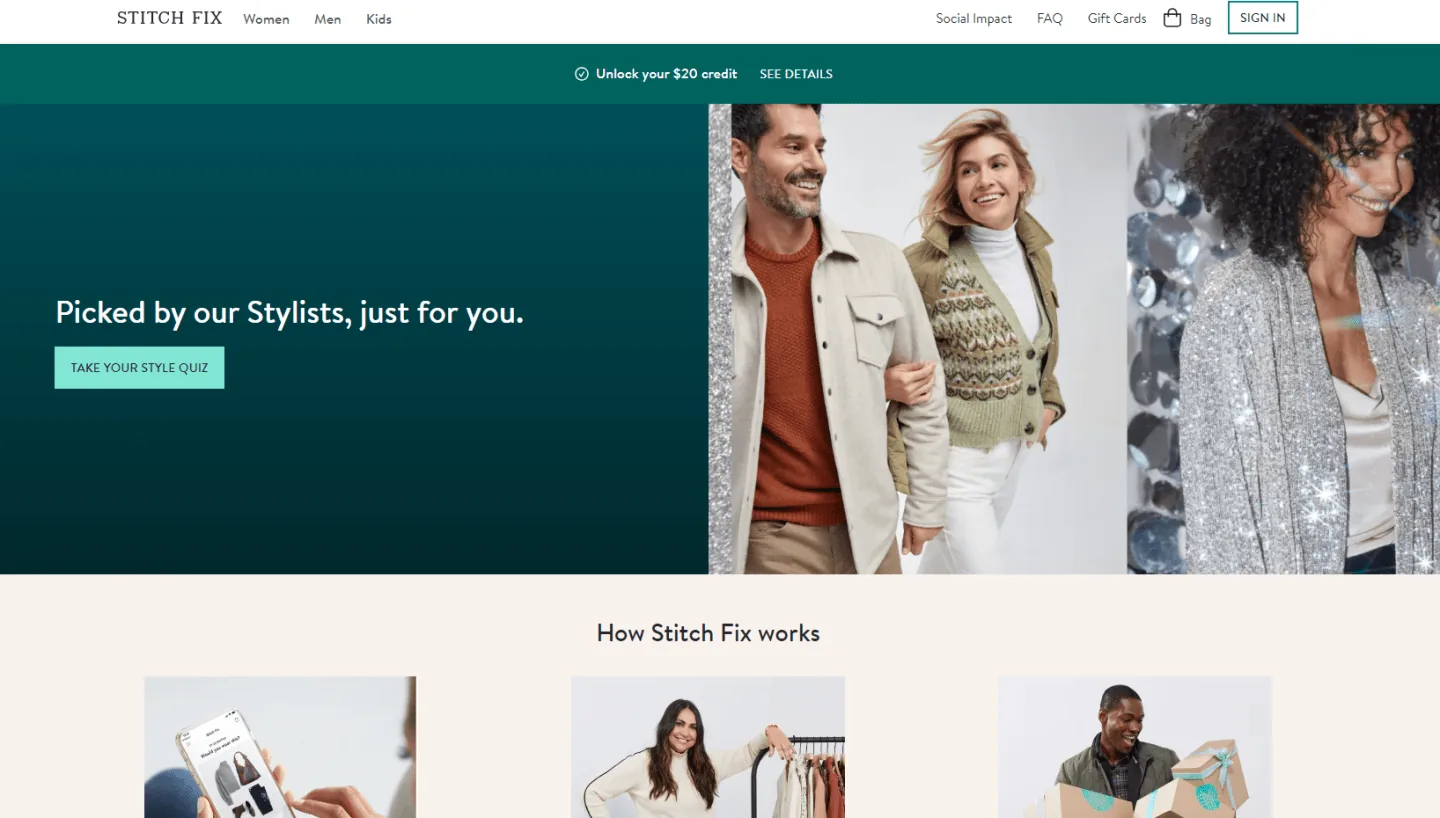
If a brand doesn’t know much about its visitors, a product recommendation quiz asks them. A quiz puts customers in charge of their own personalization, and the answers become first-party data the brand can use everywhere else.
Online personal styling service Stitch Fix knows that fashion is personal. Its quiz asks users about body, style, price point, and more.
| Tool | Best for | Worth knowing |
|---|---|---|
| Octane AI | Shopify product quizzes that feed email and SMS profiles | Integrates with Klaviyo. Anatta is a Klaviyo Elite partner. |
| RevenueHunt | Low-cost Shopify recommendation quizzes | Suits smaller catalogs. |
| Typeform | Custom-designed quizzes and surveys | Needs an integration to pass answers to the store or email platform. |
| Custom build | Quizzes that are central to the brand | Anatta preserved Thesis’s custom quiz through a replatform. |
3. Personalized Search Results
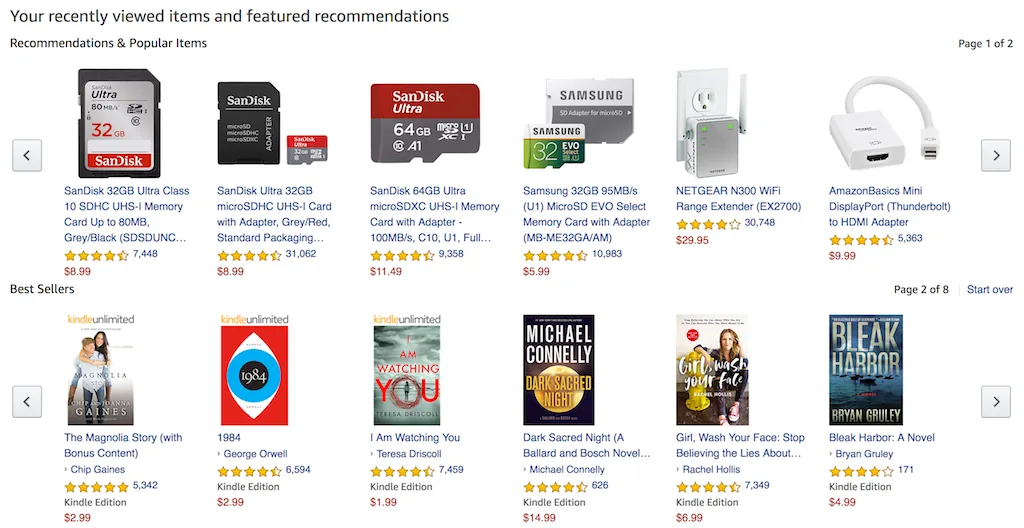
Personalized search shows each shopper the most relevant products for their query, based on their browsing history. For many DTC shoppers, the search bar is their default way into a website.
Personalized search makes it faster and easier for customers to find what they need, which can raise revenue and conversion rate. In a 2023 Algolia report, French retailer Lacoste doubled its conversions after adding personalization to its online store search.
| Tool | Best for | Worth knowing |
|---|---|---|
| Shopify Search & Discovery | A free baseline on Shopify: filters, synonyms, boosts, and recommendations | Anatta built GOAT USA’s search and recommendations on it. |
| Constructor | AI search and product discovery for large catalogs | Anatta integrates it regularly. |
| Bloomreach Discovery | Enterprise search and merchandising | Pairs with Bloomreach’s email and customer data tools. |
| Algolia | API-first search for custom or headless storefronts | Common in headless builds. |
| Athos Commerce | Search, merchandising, and personalization for mid-market brands | Formed when Searchspring and Klevu combined in January 2025. |
4. Personalized Product Recommendations and Add-Ons
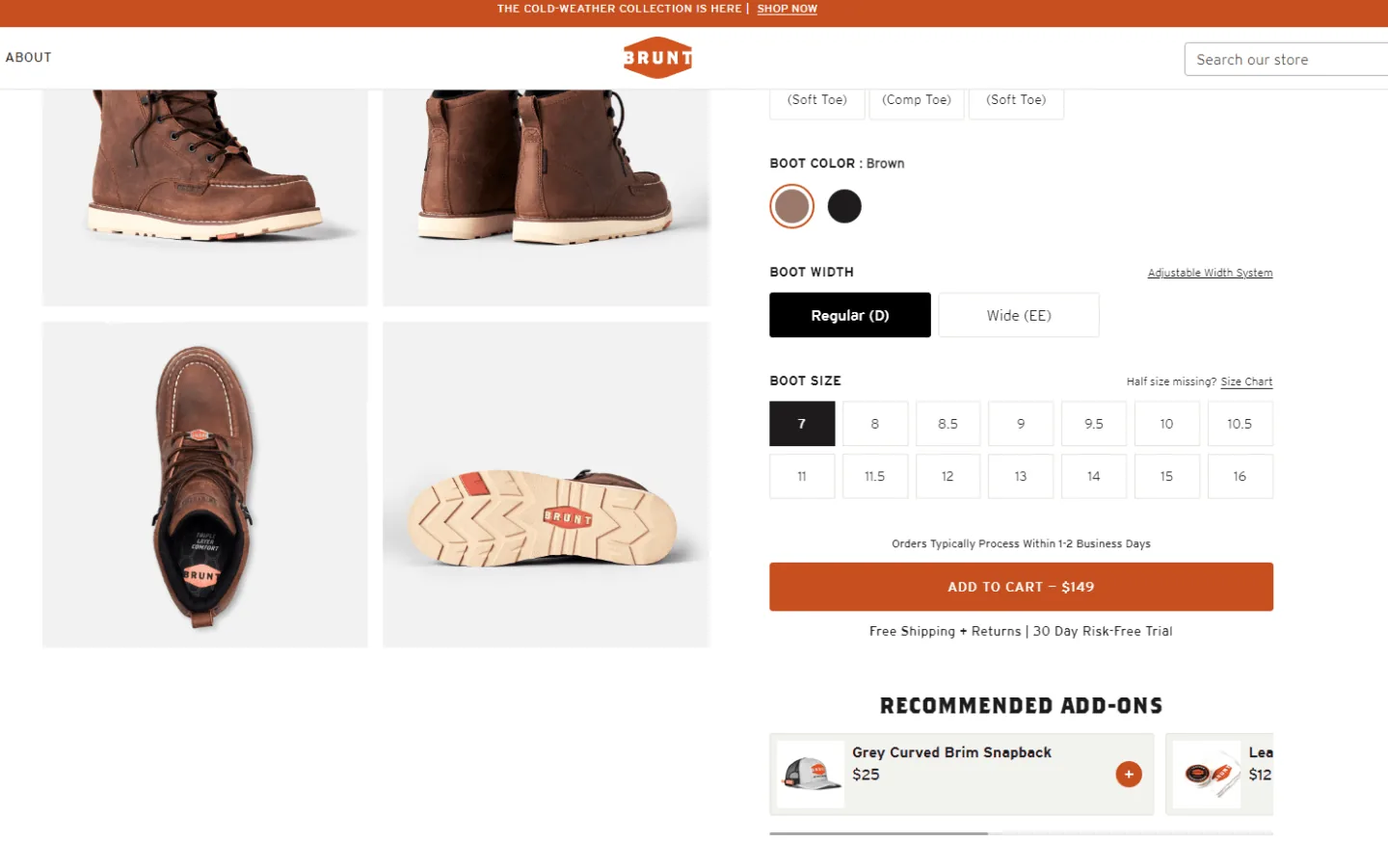
Personalized product recommendations show customers similar or complementary products to the ones they’re already interested in. On product pages, in the cart, and after checkout, they improve the shopping experience and raise average order value (AOV).
| Tool | Best for | Worth knowing |
|---|---|---|
| Rebuy | Shopify recommendations, cart upsells, and reorder flows | Anatta integrates it regularly. |
| Nosto | AI recommendations, merchandising, and content personalization | Available on the Shopify App Store. |
| Rokt AfterSell | Post-purchase upsells on the Shopify thank-you page | Part of Rokt. |
| Shopify Search & Discovery | Free related and complementary product recommendations | Native to Shopify. |
5. Personalized Bestseller Lists
Customize bestseller lists by each shopper’s location or interests so the products suit their climate, currency, and tastes. Bestseller lists can also be cut by time: the best-selling products from the last month, day, or even hour. A specialized bestseller list is more relevant, interesting, and personal for the customer.
6. Personalized, Targeted Discounts
Personalized offers based on behavior are an easy way to lift customer engagement. Simple personalized offers include:
- Discounts on items the customer has bought before
- A curated list of items the customer is likely to want
- A custom offer for an occasion, such as their birthday
7. Personalized Dynamic Pricing
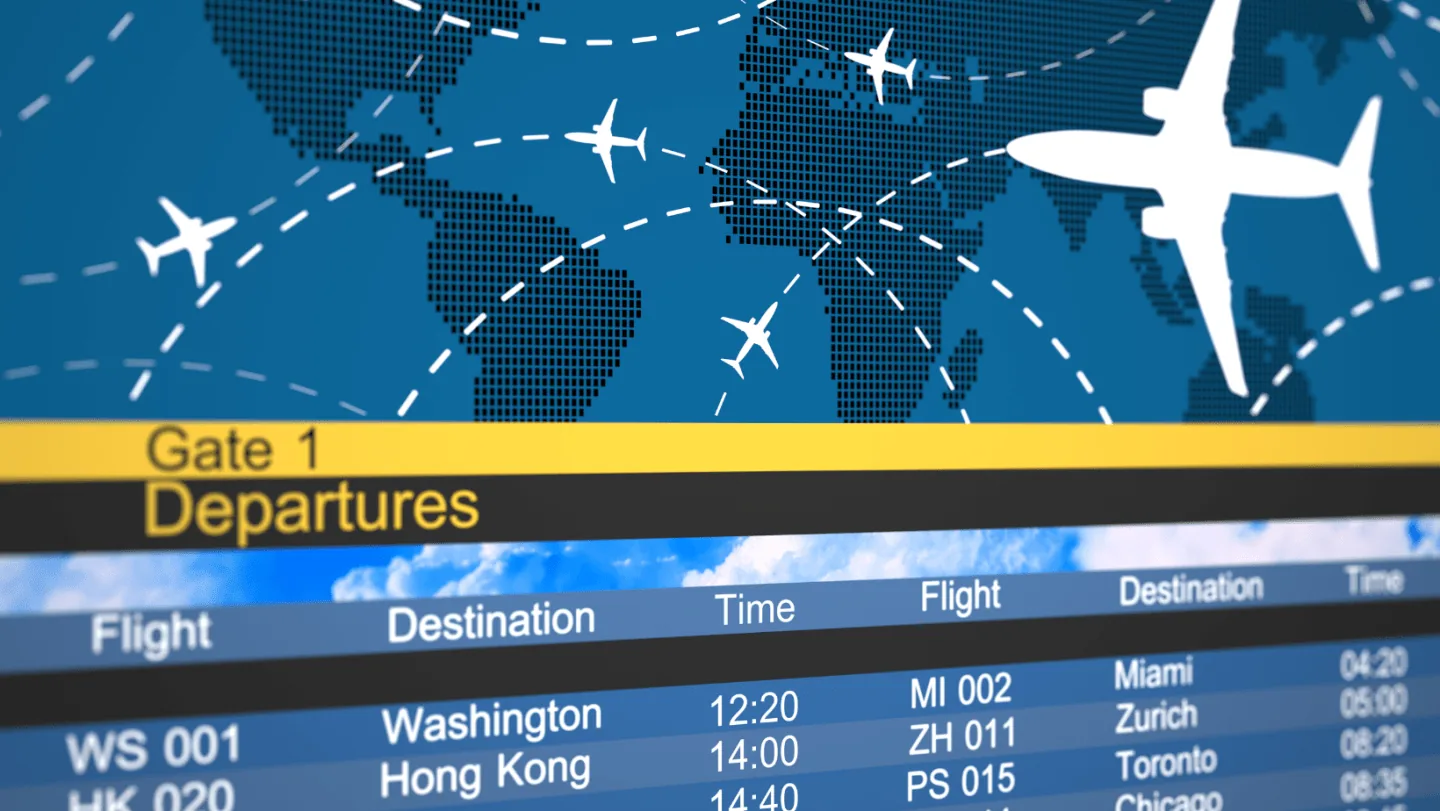
Personalized dynamic pricing (PDP) changes the price itself for each shopper, which sets it apart from targeted discounts. Airlines have long used it: the closer the flight date, and the more often a traveler searches, the more the fare moves.
A 2022 study in the Eurasian Journal of Business and Economics found that PDP improves profit by 19% compared to uniform pricing, and 86% compared to status quo pricing.
Many consumers research for weeks before buying online. Personalized dynamic pricing based on the frequency and duration of visits to an online store can increase conversions and profitability, especially when it’s combined with supply, demand, and competitor price monitoring.
Personalized pricing now carries disclosure rules. Since November 10, 2025, New York’s Algorithmic Pricing Disclosure Act has required businesses that set prices with a consumer’s personal data to show New York shoppers the statement “THIS PRICE WAS SET BY AN ALGORITHM USING YOUR PERSONAL DATA.” Review any personalized pricing with legal counsel before launch.
| Tool | Best for | Worth knowing |
|---|---|---|
| Shopify Functions and discounts | Native segment, bundle, and tiered discounts | Replaced Shopify Scripts, which stopped working on June 30, 2026. See Shopify’s 2026 deadlines. |
| Intelligems | Testing prices, discounts, and shipping thresholds | Built for Shopify. |
| Klaviyo | Birthday, win-back, and replenishment offers by segment | Anatta is a Klaviyo Elite partner. |
8. Personalization With User-Generated Content

User-generated content (UGC) is the photos, videos, and reviews real customers post, and it lets shoppers see the product in real life and imagine themselves using it. Bazaarvoice’s 2024 Shopper Experience Index, a survey of more than 8,000 global shoppers, found that 65% rely on UGC such as ratings, reviews, photos, and videos when deciding what to buy. When shoppers can see content from real customers, they have an easier time making a purchase decision.
| Tool | Best for | Worth knowing |
|---|---|---|
| Yotpo Reviews | Reviews and loyalty from one vendor | Includes photo and video reviews. |
| Okendo | Shopify brands that want reviews, quizzes, and UGC together | Built for Shopify. |
| Bazaarvoice | Enterprise reviews and UGC | Syndicates reviews to retail partners. |
| Judge.me | Low-cost reviews for large catalogs | Flat pricing. |
9. Personalization With Localized Content
Localized content matches the store to each customer’s region, language, and demographic. Customers return to a site that takes their location into account. Localization can cover:
- Banners
- Blog content
- Currency
- Product descriptions
| Tool | Best for | Worth knowing |
|---|---|---|
| Shopify Markets | Local currency, language, domains, and pricing per market | Native to Shopify. |
| Global-e | Cross-border checkout, duties, and local payment methods | Suits brands with large international revenue. |
| Weglot | Translating Shopify storefronts | Machine translation with human editing. |
10. A Personalized Customer Account
The customer account is often the most underused place for personalization. At checkout, most DTC websites let the shopper sign in or check out as a guest, and the profile behind that sign-in rarely does more than store an address.
Reduce customer frustration by:
- Pre-loading information like sizes, styles, or preferences
- Pre-filling checkout pages and forms, for example with Shop Pay
- Making it easy to reorder past purchases with 1 click
11. Personalized Loyalty Programs
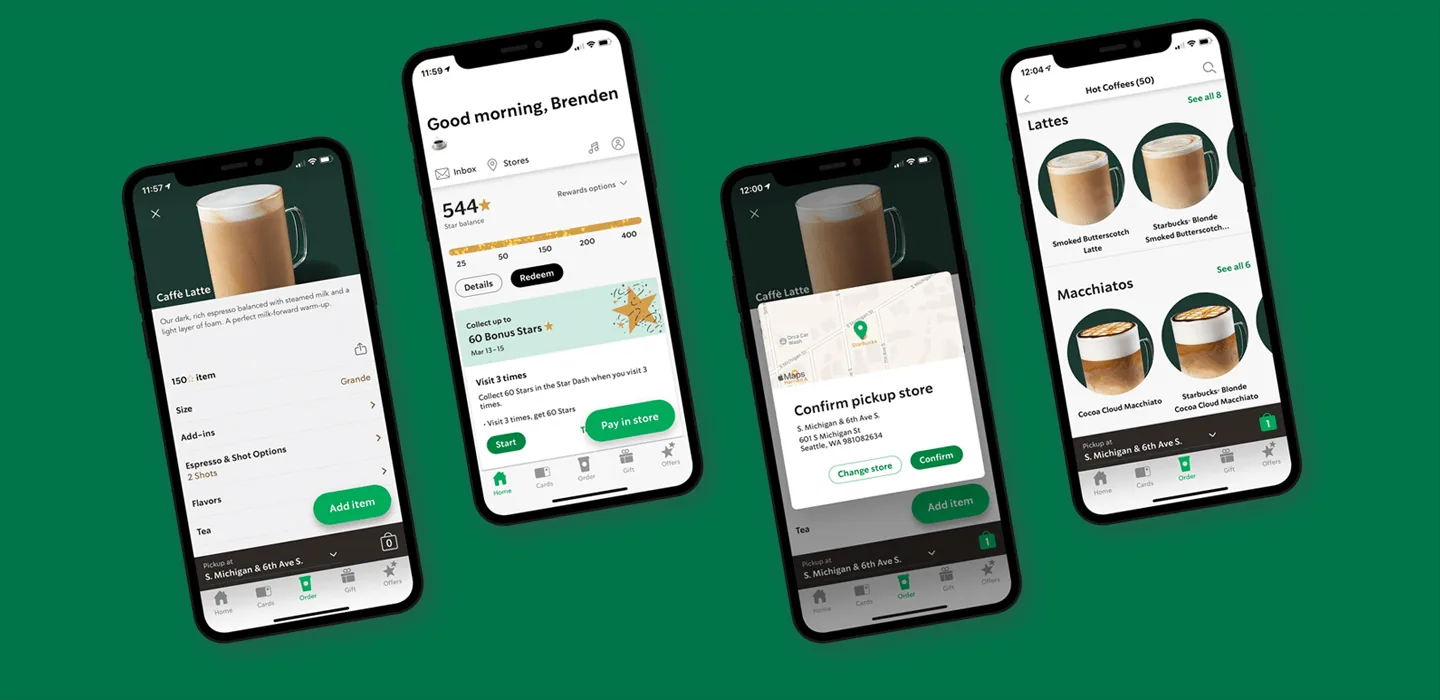
In a loyalty program, customers give retailers data in exchange for a more personalized shopping experience. The simplest form offers points or cash back (buy 9, get the 10th free).
Beyond that, there is considerable room to personalize the experience further, with gamification, custom offers, or access to exclusive products and events.
Starbucks has used its app to partner with other companies like Pokémon Go and Spotify, creating an engaging experience that further drives consumer loyalty.
12. Personalized Rewards for Top Customers
Reward the customers who drive the most revenue. The Pareto principle says that 80% of revenue comes from about 20% of customers. That’s not a hard and fast rule, but as with loyalty programs, it pays to find ways to reward the best customers.
Ways to reward top customers include:
- Unique, personalized communications
- Access to exclusive products, or the chance to pre-purchase
- Events or an online community to share news and updates about the product category
| Tool | Best for | Worth knowing |
|---|---|---|
| Yotpo Loyalty | Loyalty and reviews from one vendor | Points, tiers, and referrals. |
| Smile.io | Points and referral programs with fast setup | Suits smaller catalogs and teams. |
| LoyaltyLion | Mid-market and enterprise Shopify brands | Supports in-store redemption through Shopify POS. |
| Rivo | Shopify-native loyalty and referrals | Built only for Shopify. |
13. Personalized Emails and Notifications
Personalization continues after the purchase. Send customized notifications by email or text message as the order is picked, packed, and shipped. Once it’s delivered, a personalized follow-up email reinforces the customer’s satisfaction. For example, if a customer buys a pair of shoes, send a customized email with shoe cleaning and care instructions.
Mark milestones like birthdays with celebratory emails. Send reorder reminders when a customer’s past purchases are likely to run out. In each case, use as much data as possible so each email reads like a personal message that speaks to that customer’s needs.
| Tool | Best for | Worth knowing |
|---|---|---|
| Klaviyo | Shopify brands that want email, SMS, and customer data in one platform | Anatta is a Klaviyo Elite partner. |
| Attentive | SMS-first programs that add email | One subscriber profile across both channels. |
| Postscript | Shopify brands that want an SMS-only specialist | Built only for Shopify. |
| AfterShip | Branded shipping notifications and tracking pages | Also offers returns. |
14. Personalized Packaging That Surprises and Delights
Ecommerce personalization doesn’t have to end when a customer leaves the website. A plain brown cardboard box feels impersonal. Ways to surprise and delight a customer include:
- Custom packaging
- A card with the customer’s name on it
- Small gifts related to the customer’s order
If a delivery feels more like a care package from a friend, customers are more likely to buy from that brand again instead of a competitor.
This level of customization is often hard to scale, which makes it a way for smaller DTC brands to offer an experience bigger companies can’t match.
| Tool | Best for | Worth knowing |
|---|---|---|
| noissue | Custom printed mailers, tissue, and stickers | Compostable and recycled options. |
| Packlane | Custom printed boxes ordered online | Low minimum order quantities. |
| Arka | Custom boxes and mailers for growing brands | Recycled materials. |
15. Quick, Personalized (and Automated) Customer Service
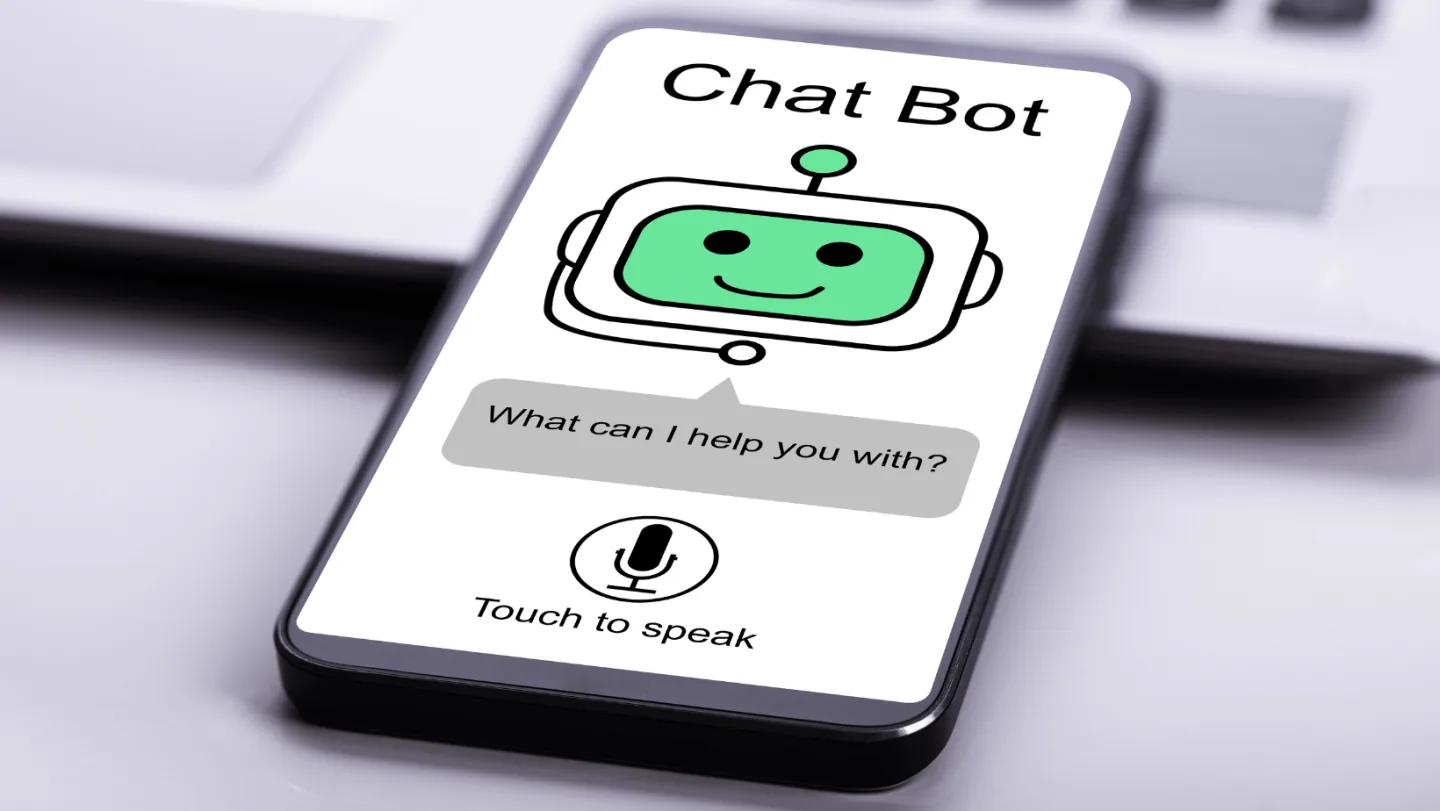
Personalized customer service settles a customer at the moment they’re most likely to leave. A customer is never in a more delicate spot than when they need help. Rise to the occasion and they’ll praise the brand; frustrate them and the brand will hear about it for a long time.
A personalized customer service experience defuses tension and leaves the customer satisfied. With human agents, customer relationship management (CRM) software lets agents see the customer’s key details at once and give them a polished, customized experience.
Even with chatbots, personalized suggestions and solutions reduce frustration by meeting customer needs faster. A hyper-personalized “segment of one” also makes it possible to offer something the customer will find relevant.
| Tool | Best for | Worth knowing |
|---|---|---|
| Gorgias | Shopify brands that want orders, refunds, and an AI agent in one inbox | Gorgias is an Anatta technology partner. |
| Zendesk | Large, multi-brand support teams with complex routing | Broad app marketplace. |
| Intercom | Chat-first support with an AI agent | Its AI agent is called Fin. |
| Kustomer | Support teams that work from one customer timeline | CRM-style data model. |
When to Automate Personalized Customer Service, and When Not To
Automate the routine, and keep people on anything personal. Automating every part of customer service may sound efficient, but a personal touch still goes a long way. Customer service isn’t just about resolving problems quickly; done with care, it can be a strong channel for both customer acquisition and LTV.
Customers are wary of automation. In a Gartner survey of 5,728 customers published in July 2024, 64% said they would prefer companies didn’t use AI in customer service, and their top concern was that it would become harder to reach a person.
Here’s one way to split customer service between automation and people.
Automate:
- Support ticket creation
- Help finding a certain product or piece of content
Leave it to your customer service team:
- Live support when asking questions about your brand or products
- Personalized follow-ups after experiencing product issues or site issues
Where Should You Start With eCommerce Personalization?
Start eCommerce personalization where the customer experience is weakest and the customer data is strongest: one journey, one segment, and one measurable outcome. The goal of personalization is to improve the customer experience. When a brand delivers personalized content, visitors get smoother shopping that’s memorable and worth sharing.
Accurate personalization depends on 3 things working together:
- Analytics
- Accurate customer data
- Automation
As you plan an eCommerce personalization strategy, ask the following questions.
Can You Get Enough Customer Data for Personalization?
Most brands can collect enough customer data for personalization if they combine what shoppers do with what shoppers tell them. Modern analytics tools make collection easier than ever, but without these data points it’s hard to build effective segments:
- Demographics
- Search behavior
- Past purchase history
- Browsing history
- Customer value
Quizzes, preference centers, and account profiles add the data shoppers volunteer, which Gartner’s 2025 research suggests makes personalization feel helpful rather than intrusive.
Do You Have the Budget for Personalization?
Budget sets the scope of personalization, because personalization requires both customer segment data and marketing automation, and both cost money. Once you set a budget, tailor the strategy to the steps you can do well, and avoid things like the toaster ads that alienate customers instead of delighting them.
As you work on budgets, remember that skipping personalization has an opportunity cost too, and so does doing it badly: in the June 2025 Gartner survey above, customers who had a negative personalized experience were 44% less likely to buy again.
What Do Your Customers Actually Want From Personalization?
Customers want personalization that saves them time or effort, and what that means depends on the category. No conversation about customer experience is complete without a deep understanding of the customer journey. Netflix customers, for example, want to spend less time searching for what to watch and more time watching, so personalization that puts the content they love first is exactly what keeps them subscribed.
If you sell big-ticket items, your customers may feel overwhelmed by choices. They may want you to deliver them a personalized solution that eliminates decision paralysis. If you sell lower-priced fashion accessories, your customers may prefer to be shown a range of items that match other products they’ve purchased in the past.
These details can have a big impact on your personalization strategy.
What is the Best eCommerce Personalization Software in 2026?
There’s no single best eCommerce personalization platform in 2026; the best personalization software is a small set of tools, matched to the tactics above, that share one view of the customer. When Anatta onboards an eCommerce company, one of the first steps is to make sure it has a way of collecting accurate, detailed data about its users. Third-party tools and integrations provide the unbiased feedback needed to make business decisions and improve the customer experience.
When choosing eCommerce personalization software, look for:
- A native integration with your commerce platform, so customer and order data stay in sync
- First-party and zero-party data support, such as quiz answers and account preferences
- Page speed: personalization that flickers or slows pages can cost more than it earns
- Clean product data that AI assistants and shopping agents can read
- A way to test, so each personalized experience is measured against a control
When Anatta worked on Dollar Shave Club’s DTC website, the team set up a streamlined Optimizely integration so Dollar Shave Club could test and personalize its customer experience.
With AG1, Anatta built a custom subscription platform on a headless Shopify storefront for a stronger, more personalized membership experience, and retention rose 31% year over year.
During Anatta’s partnership with Posh Peanut, the team integrated Searchspring (now part of Athos Commerce) for hyper-personalized, dynamic product recommendations and site search.
Today, the personalization stack Anatta works with most often runs on partners Anatta holds top-tier status with or integrates regularly:
- Subscriptions: Recharge, Stay AI, and Ordergroove
- Lifecycle email and SMS: Klaviyo
- Reviews and UGC: Yotpo
- Search and discovery: Constructor and Bloomreach
- On-site and post-purchase offers: Rebuy and Rokt AfterSell
The integrations between them are where personalization succeeds or fails, which is why they’re part of Anatta’s Integrations work rather than an afterthought. For the rest of the stack around them, see the best eCommerce tech stack in 2026.
Ecommerce Personalization FAQs
What is eCommerce personalization?
Ecommerce personalization is the practice of using data about a shopper, such as what they browse, buy, search for, and say in quizzes or account preferences, to change what they see on an online store and in follow-up messages. It covers product recommendations, search results, offers, prices, content, and post-purchase emails, and its goal is a better customer experience that raises conversion and retention.
What are some examples of eCommerce personalization?
Common examples of eCommerce personalization include product quizzes, personalized search results, product recommendations, targeted discounts, localized content, and post-purchase emails. Among Shopify brands Anatta has worked with, Trade Coffee matches subscribers to coffees through a quiz-driven taste profile, Thesis matches customers to nootropic formulas through its Product Quiz, and Grove Collaborative recommends products based on each customer’s cart and order history.
How is AI used in eCommerce personalization?
AI is used in eCommerce personalization to rank products and search results for each shopper, answer natural-language searches, choose offers, and write or select content. In 2026 it also reaches shoppers before they visit: Adobe reported that generative AI traffic to US retail sites rose 693.4% year over year in the 2025 holiday season, and Shopify’s Agentic Storefronts, introduced in December 2025, connect Shopify catalogs to AI platforms such as ChatGPT, Perplexity, and Microsoft Copilot.
Can eCommerce personalization hurt sales?
Yes, eCommerce personalization can hurt sales when it feels pushy or irrelevant. A June 2025 Gartner survey of 1,464 B2B buyers and consumers found personalized marketing created a negative experience for 53% of customers, who were 3.2x more likely to regret a purchase and 44% less likely to buy again. Personalization that asks about the customer’s needs and helps them decide works better than pushing more offers.
Do eCommerce brands have to disclose personalized pricing?
In New York, eCommerce brands that set prices with a consumer’s personal data have to disclose personalized pricing: since November 10, 2025, the Algorithmic Pricing Disclosure Act has required the statement “THIS PRICE WAS SET BY AN ALGORITHM USING YOUR PERSONAL DATA.” Other states and countries have their own consumer protection and privacy rules, so review personalized pricing with legal counsel before launch.
What are the best eCommerce personalization tools in 2026?
The best eCommerce personalization tools in 2026 depend on the tactic: Klaviyo for lifecycle email and SMS, Constructor, Bloomreach, Algolia, or Athos Commerce for search, Rebuy or Nosto for recommendations, Octane AI for quizzes, Optimizely or Shoplift for testing, Yotpo or Okendo for reviews, and Recharge, Stay AI, or Ordergroove for subscriptions. The best stack is the smallest set that shares one view of the customer.
Conclusion
There’s a reason why community-building is so important for DTC brands. Everyone wants to feel like they’re part of a community where their values are shared. And with eCommerce personalization features, your brand can help foster that sense of community — a place where everyone knows your name.
Ecommerce personalization is an effective way to increase customer satisfaction and revenue. By putting these strategies in place, a brand can improve brand engagement, customer loyalty, and conversion rates. These tactics are just the beginning, though, and eCommerce personalization is not a one-size-fits-all solution.
Personalization lives in 2 places: the path to purchase, where Anatta’s eCommerce Funnel Engineering work rebuilds each step around measured lift, and the account, where Subscription & Retention Experiences turns a first order into a second. For a read on which of the 15 tactics above would move the most for your store, bring Anatta your funnel.

“Following Anatta’s work, our conversion rate went from 4.1% to 6.2%, which is insane in the e-commerce industry.”
Tran Ngo, VP Digital & Growth
Read Success Story
Free, no call required
Before the next test, find where the journey actually leaks.
We map your three highest-volume traffic channels end to end and size every leak in dollars. A written read, free, no call.
Related Reading
-
 Conversion & Experience
Ecommerce User Experience: Everything You Need To Know
How do you build an effective eCommerce user experience? Explore several actionable tactics so consumers love shopping on your site, and come back for more!
Matt Bass Director of Optimization - Read the story
Success Story
Bare Performance Nutrition
Subscribers up ~90% without auto-enrollment.
- Explore the service
Services & Solutions
Subscription & Retention Experiences
Our team built the subscription engines that power the world's fastest-growing DTC brands, such as AG1, Thesis, & Good Ranchers.